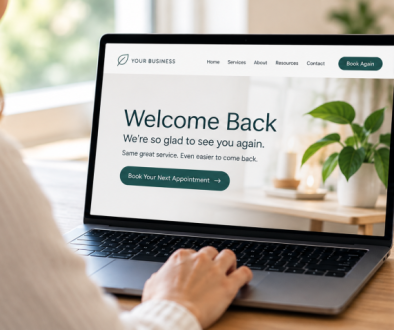
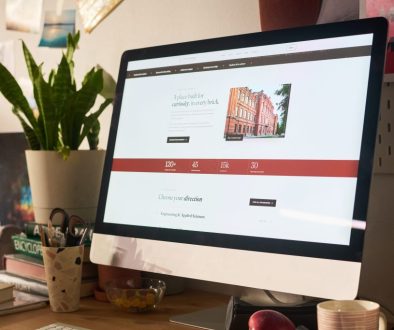
Choosing between a one-page website and a multi-page website is not just about layout. It affects how your business is presented, how much information you can share, and how easily people can find what they need. The right fit depends on the type of business you have, how much your website needs to do, and how you want potential customers to move through it. Both options can work well, but they serve different needs.
How much information your business needs to share
A one-page site works best when the business has a simpler offer and less content to explain.
A multi-page site gives more room for businesses with several services, deeper information, or more to organize.
How people move through the website
A one-page site keeps everything in one scroll, which can feel simple and direct. It still includes standard navigation, but instead of leading to separate pages, the links anchor to different sections of the same page.
A multi-page site gives visitors more defined paths and makes it easier to guide them to specific services or information.
How the site supports growth
A one-page site can work well for a business that is starting small or keeping things streamlined.
A multi-page site usually gives more flexibility as the business grows, adds services, or needs stronger SEO support.
What kind of first impression it creates
A one-page site can feel clean and efficient.
A multi-page site often feels more established and layered, especially for businesses that need more depth, trust building, or content.
The choice between a one-page website and a multi-page website is really about fit. Some businesses need a simple, streamlined online presence. Others need more space to explain their services, build trust, and support future growth. When you choose the structure that matches your business, your website can do a much better job of supporting how you want people to experience it. If you are not sure which direction makes the most sense for your business, contact us to discuss your project.